

Best Large Language Models for Coding 2025: The Ultimate AI Model Comparison
In 2025, the best large language models for coding 2025 have become essential tools for developers, tech leaders, and enterprises aiming to build smarter, more scalable software. Choosing the right model like GPT-5, Gemini 2.5, or Claude 4 is impossible without an in-depth AI model comparison—the Best LLMs 2025 aren’t just about speed; they power high-level reasoning, security, and flexible integration across frameworks and industries. This guide breaks down the features, trends, and practical impacts that set these AI models apart, making it easier to decide which solution fits your coding goals.
Introduction to the Best Large Language Models for Coding 2025
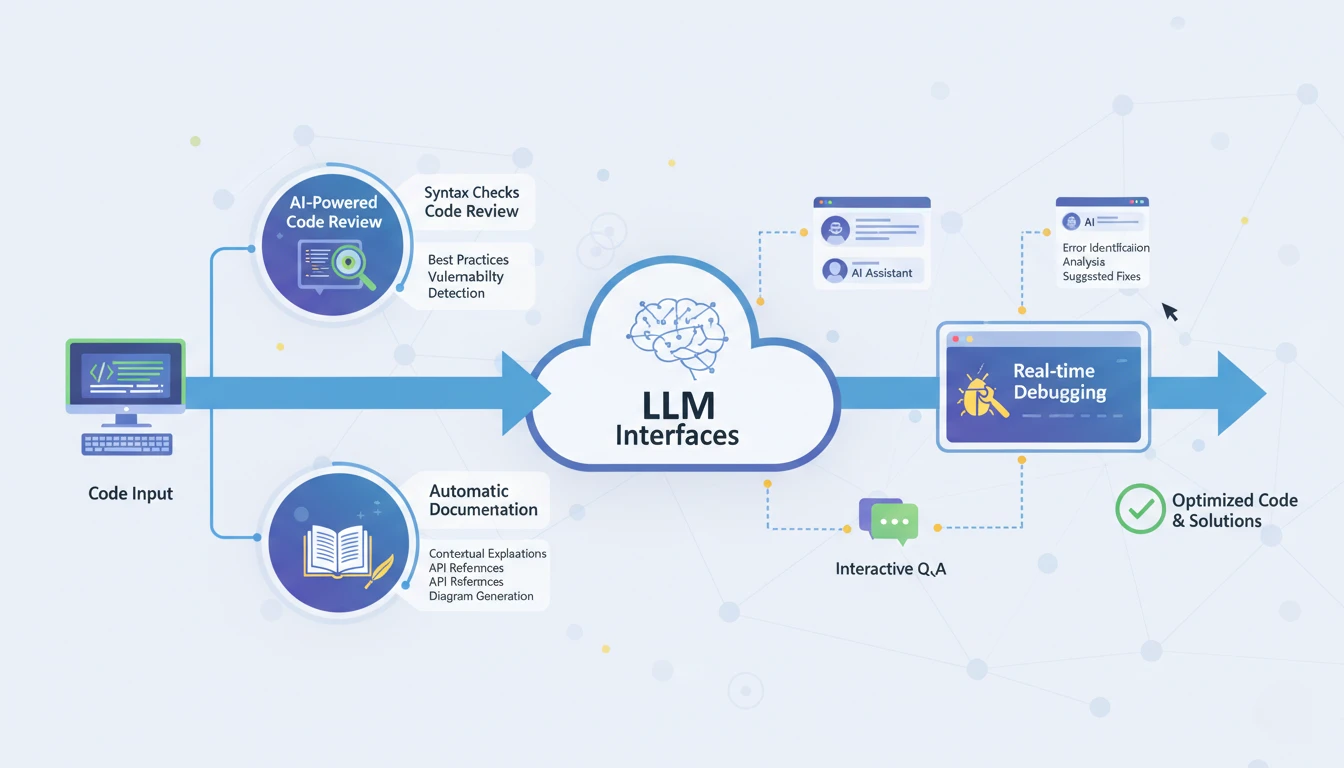
Developers now have an unprecedented range of AI-powered coding tools to choose from, as a rapidly growing field welcomes innovative entrants alongside established titans such as GPT-5 and Gemini 2.5. The evolving technology landscape is creating real opportunities for teams to find tools and models precisely matched to their programming goals and unique business needs. One notable example is Mistral Large 2. Its advanced support for multiple languages and competitive pricing has quickly made it a favorite among up-and-coming startups and companies seeking efficient international expansion. Smaller teams and rapidly-scaling businesses are drawn to its ability to deliver robust performance without breaking the bank.
With rising demand for transparency and greater developer ownership, open-source options are flourishing. DeepSeek R1, in particular, is a standout when it comes to embracing a community-driven approach. This model not only relies on continuous input from programmers and researchers worldwide, but also demonstrates exceptional strength in tackling domain-specific challenges—such as highly specialized mathematical or scientific algorithms. Its documentation features give users detailed insight and flexibility. This makes DeepSeek R1 especially popular among companies and institutions that want to tailor their AI solutions to closely align with evolving project requirements or internal standards.
Versatility is a major advantage of some of the newest offerings as well. Qwen 2.5 has set itself apart with dynamic context management tools and finely tuned controls for developer prompts and instructions. The capacity to manage complex automation flows, adapt to collaborative environments, and support codebases with multiple contributors gives Qwen 2.5 appeal for everyone from fast-paced tech startups to large academic consortia. Its open licensing approach not only encourages adoption across industries, but also helps foster new partnerships, experiments, and integrations in a crowded and competitive sector.
Specialized needs are also being addressed by a new class of solutions focused on technical niches. Codestral’s Mamba and Mathstral are two systems that are engineered specifically for mathematical programming logic and for rapid inference. These focused platforms consistently achieve high marks in independent reviews and analytics for their ability to outperform more general-purpose systems, especially in fields that value speed, accuracy, and sophisticated data modeling over broad applicability.
As artificial intelligence continues to evolve, the pool of available technology solutions for software teams grows richer and more diverse each year. The flexibility this brings is transformational: engineers, project leads, and organizations can now access and test models that fit almost any workflow, technical stack, or mission requirement. By consulting widely trusted industry reviews and performance benchmarks, decision-makers can confidently choose the ideal tool for any development challenge—maximizing value, agility, and long-term results.
Overview of Top Large Language Models for Coding in 2025
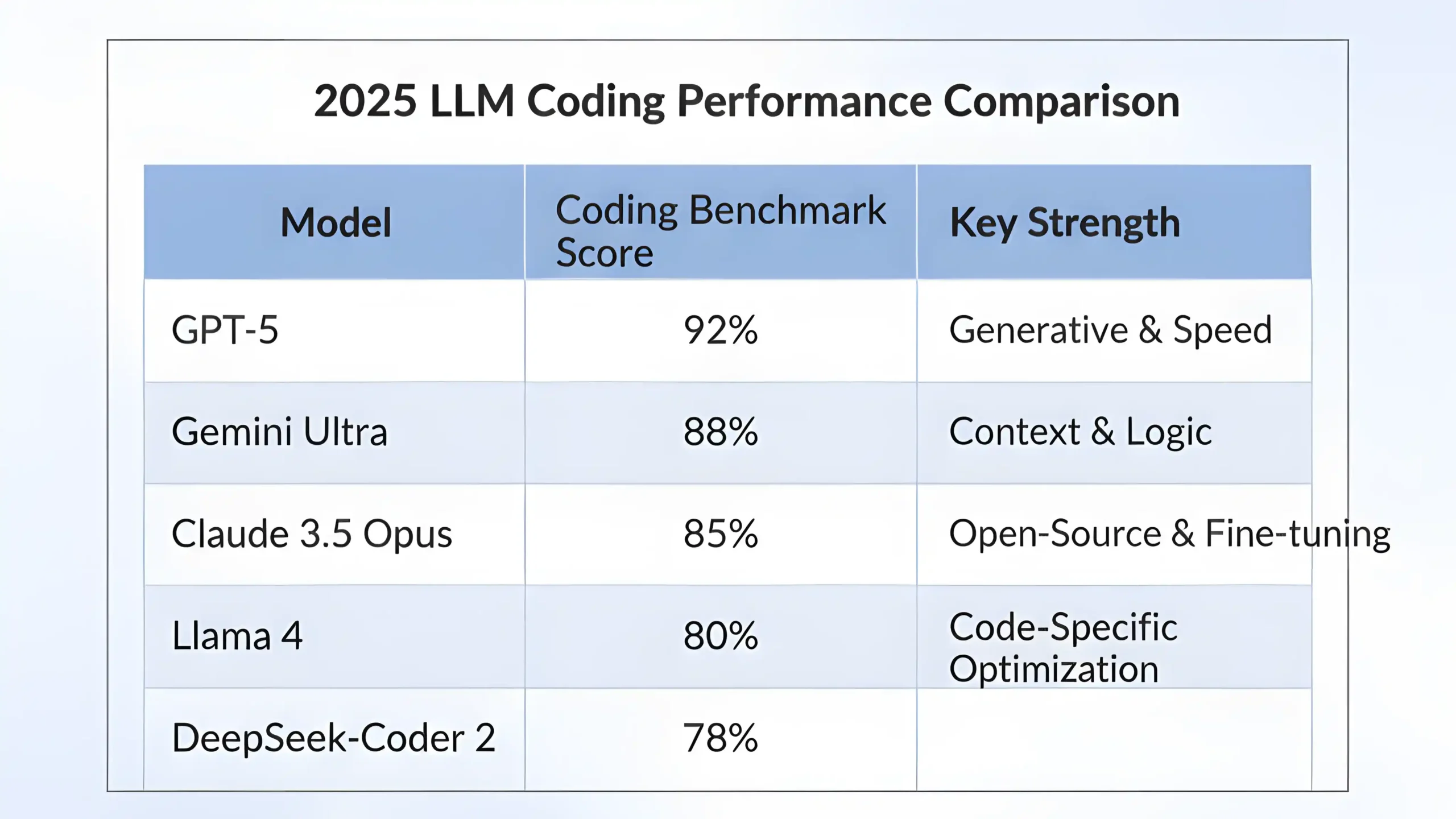
Today’s best large language models for coding 2025 are defined by their exceptional performance across a range of programming tasks. OpenAI’s GPT-5 routinely appears in AI model comparison tables as a clear leader, blending high parameter counts with precise contextual logic. This places it securely among the Best LLMs 2025 for complicated enterprise workflows and data-rich coding environments.
Google’s Gemini 2.5 shines in visual code understanding, and its “Deep Think” capability frequently sets new standards in debugging and architectural reasoning. The popularity and versatility of Gemini 2.5 mean that AI model comparison lists highlight it as one of the best large language models for coding 2025 for cross-platform, multimodal integration.
For teams focusing on ethics and reliability, Anthropic’s Claude 4 is a frequent Best LLMs 2025 recommendation, thanks to its robust safeguard systems and easy deployment. Model benchmarking and independent AI model comparison reports reveal that Claude 4 minimizes hallucinated code while maximizing compliance.
Open-source solutions are thriving, with models like Meta’s Llama 4.6 and GLM 4.6 gaining recognition as some of the best large language models for coding 2025. These models offer transparency, customization, and rapid updates based on community input—a major reason they feature strongly in contemporary AI model comparison analyses.
Performance metrics show that the Best LLMs 2025 drive superior bug detection, code coverage, and documentation support. Teams who rely on AI model comparison reports are able to select the best large language models for coding 2025 for their particular infrastructure, saving time and raising team standards.
AI Model Comparison: Features, Performance, and Use Cases
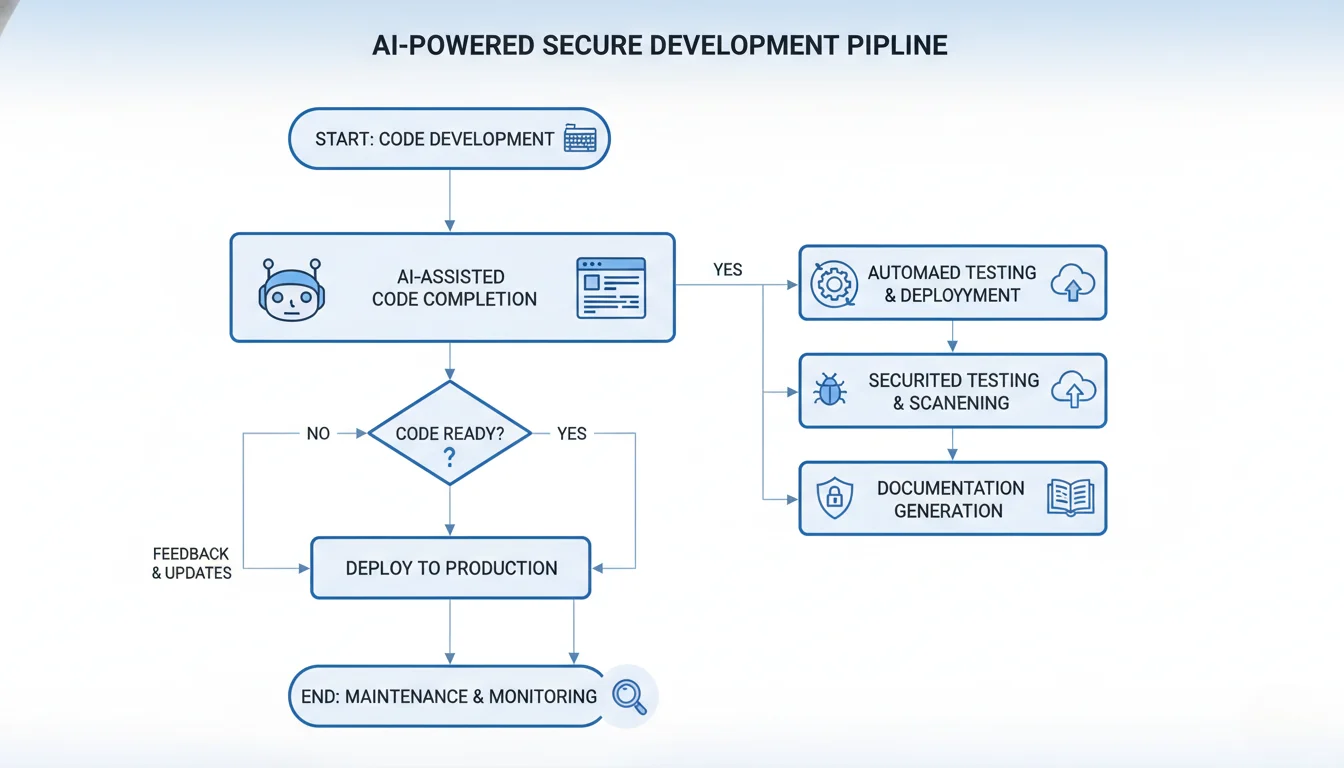
One of the chief considerations in any AI model comparison is how effectively the best large language models for coding 2025 decode project context, developer workflow, and nuanced intent behind code requests. Unlike early generations of coding tools, the Best LLMs 2025 are capable of multi-step reasoning—identifying not just what needs to be written but also how it fits within system architecture, existing dependencies, and business logic. This contextual awareness ensures teams receive valuable support for architecture planning, bug fixing, and even code migration.
Performance is another area where advancements are evident. Models like GPT-5 and Gemini 2.5 routinely outperform previous benchmarks in both speed and reliability. Modern AI model comparison data shows these best large language models for coding 2025 can generate and validate code much more rapidly, delivering robust solutions that help teams keep up with fast-paced sprints and demanding release schedules. This speed does not mean sacrificing reliability; these AI systems are designed to minimize errors as they scale.
Security and compliance are increasingly core to the decision process. As organizations face rigorous standards, the Best LLMs 2025 stand out for embedding features like transparent logging, reinforcement learning from human feedback (RLHF), and continual compliance testing. AI model comparison highlights that these capabilities not only prevent vulnerabilities but also help streamline audits—reducing risk in regulated industries or mission-critical applications.
Efficiency gains go well beyond code suggestions. Some of the best large language models for coding 2025 now automate onboarding by providing new developers with intelligent documentation, instant code examples, and guided review checklists. Automated, context-sensitive recommendations are a key benefit found in every credible AI model comparison, enabling teams to scale faster without losing control or oversight of code quality.
In choosing among these tools, a thoughtful AI model comparison is crucial. Matching specific language and infrastructure preferences ensures that teams adopt the best large language models for coding 2025 for their needs, leading to lasting improvements in productivity, maintainability, and development velocity across a range of project types.
Practical Implications for Developers and Enterprises
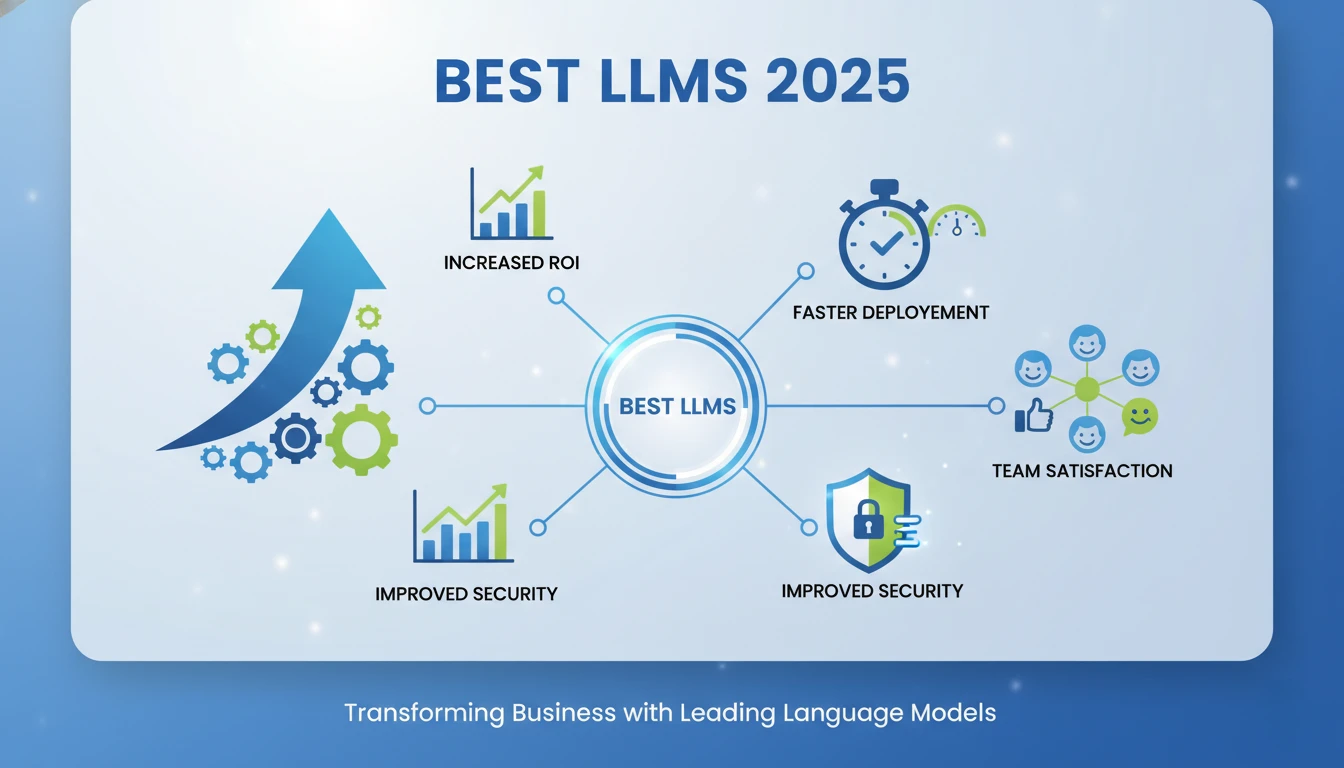
Deploying the best large language models for coding 2025 is transforming how companies build, release, and secure software. These advanced AI tools have unlocked dramatic improvements in operational efficiency, as development teams find themselves able to deliver new features in record time and address bugs before they reach production. Security is strengthened as well—automated code reviews and smart vulnerability detection embedded within the Best LLMs 2025 help ensure safer releases, a fact reliably verified through recent AI model comparison reports.
Automation is now at the heart of every high-performing engineering team. The best large language models for coding 2025 can autonomously resolve code errors, orchestrate comprehensive testing procedures, and even manage configuration tasks that traditionally required expert oversight. These automated workflows not only improve code quality but also standardize compliance and privacy processes, giving organizations confidence that they are adhering to the latest industry and regulatory standards. Insights from AI model comparison studies routinely highlight this as a clear advantage for companies prioritizing governance.
As businesses scale and move to cloud-centric operations or distributed teams, the impact of deploying leading language models becomes even more apparent. The Best LLMs 2025 simplify onboarding for remote or hybrid teams, reduce infrastructure costs, and ensure that coding standards are enforced globally across multiple locations. Analysts conducting AI model comparison research consistently note how these models power agile, location-independent development.
A critical benefit of the best large language models for coding 2025 is their embedded focus on ethical AI. From built-in logging to human-in-the-loop review, these models make it easier to document code changes, trace errors, and maintain accountability throughout the development life cycle. Leading organizations report fewer vulnerabilities and more resilient platforms, outcomes shown repeatedly in best-practice AI model comparison benchmarks.
In total, businesses leveraging the best large language models for coding 2025 are experiencing more rapid innovation, better risk management, and far greater developer satisfaction. These improvements aren’t theoretical—they’re proven in real-world deployments, validated by multi-industry AI model comparison studies and daily experience from engineering teams large and small.

Emerging Trends and Future Outlook for Large Language Models in Coding
Next-gen features are rapidly elevating the best large language models for coding 2025 into indispensable partners for software developers engaged in creative and collaborative coding. Advances in multimodal processing mean that today’s AI tools can handle not just text, but also images, speech, and even visual interfaces—powering new forms of teamwork and interactive development that were previously unimaginable. AI model comparison editors highlight that this transformation is not limited to large enterprises; startups and remote teams now leverage these capabilities to streamline project management and accelerate product delivery.
Deep context retention and transfer learning are two attributes making the Best LLMs 2025 stand out in everyday workflows. Models that remember previous sessions, adapt to individual user preferences, and learn from team feedback drive more personalized and efficient results. Industry watchdogs and technical pundits conducting AI model comparison analyses regularly note that as models have grown more sophisticated, they are better equipped to fit diverse project environments and respond to niche technical requirements.
Innovations in hybrid deployment are setting new standards for enterprise flexibility. The best large language models for coding 2025 now facilitate code collaboration across both cloud-based and on-premise stacks, supporting secure integration for globally distributed organizations. From live pair programming to synchronous code reviews, these Best LLMs 2025 are predicted in AI model comparison papers to be the linchpin for next-generation agile development.
Transparency, explainability, and strong ethics will become the top distinguishing factors for market leaders. Companies searching for the best large language models for coding 2025 now demand clear audit trails, inbuilt bias controls, and responsive user feedback systems. These requirements, as confirmed in recent AI model comparison frameworks, will ensure teams can trust, govern, and improve their AI coding assistants over time.
In summary, the future is bright for organizations embracing the Best LLMs 2025. Flexible deployment models, adaptive learning, and a clear commitment to ethics signal a new era of democratized, resilient, and transparent code creation. Looking ahead, AI model comparison experts consistently forecast that these advancements will redefine the creative potential and operational stability of software teams for years to come.
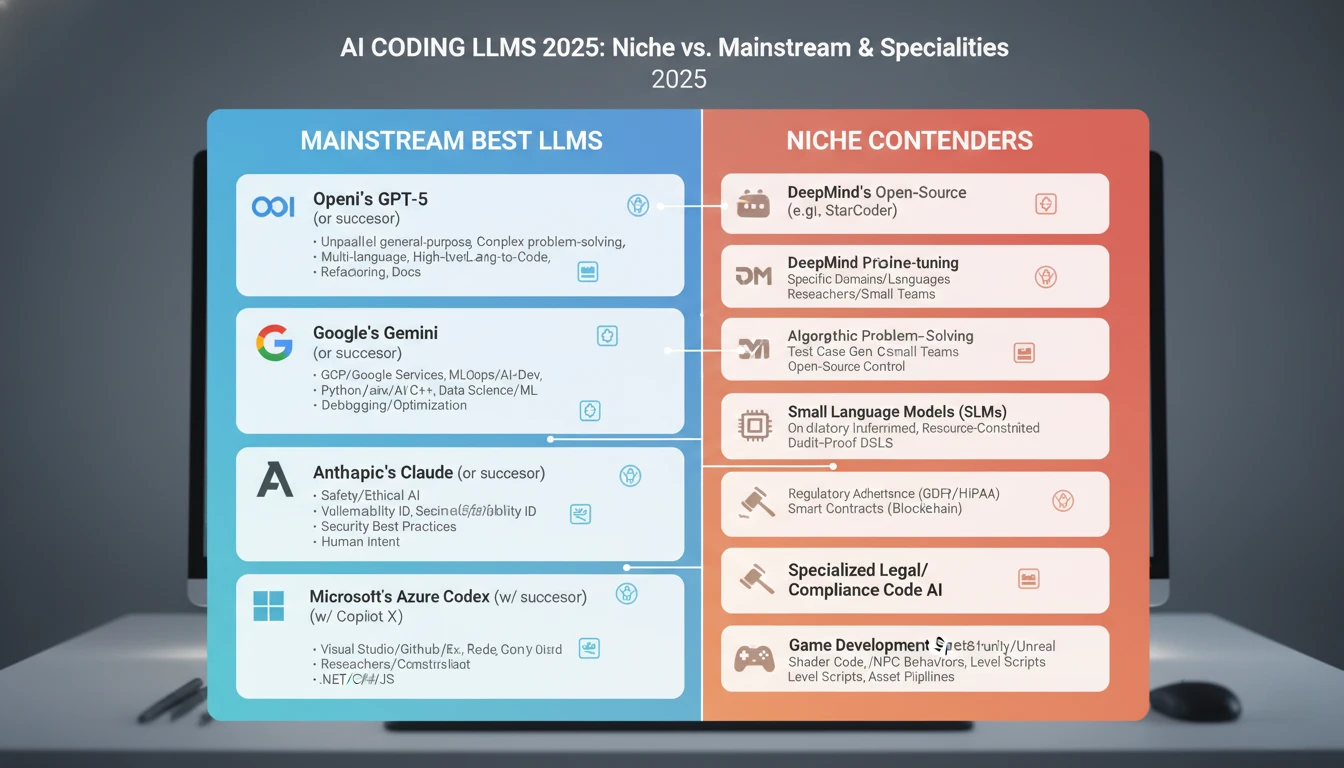
Top Large Language Models Beyond the Usual Giants in 2025
The best large language models for coding 2025 are offering developers a wider range of choices than ever before, with innovative newcomers becoming serious contenders alongside established names like GPT-5 and Gemini 2.5. One example is Mistral Large 2, which has attracted attention for its multilingual fluency and appealing cost structure, making it a popular selection for startups focused on rapid global deployment.
Transparency and open-source development are gaining ground, with DeepSeek R1 showing what can be done when community collaboration is at the core. Its strengths in domain-specific reasoning and advanced documentation tools have helped it stand alongside major options as a competitive, flexible solution for teams prioritizing customization.
Qwen 2.5 is prized for its adaptable context windows and sophisticated instruction tuning. These features are proving essential for teams working on complex automations or cross-functional software projects—both in business and academia. The model’s open licensing makes it accessible for collaboration on diverse codebases.
Math-focused and rapid-inference tools like Codestral’s Mamba and Mathstral are also carving out niches, excelling at specialized logic and performance benchmarks. These models often deliver better results than their mainstream peers when tackling targeted, technical problems, earning them praise in recent research and product reviews.
As the pace of AI development accelerates, developers are seeing the available roster of solutions grow each year. This increased diversity ensures that software teams can find a model tailored to their unique workflow and project requirements, with annual independent reviews providing insights and validation for every choice.

Final Thoughts
The sweeping changes brought by the best large language models for coding 2025 have made them truly indispensable for development teams—whether in fast-moving startups or large-scale enterprises. These AI advances are redefining how code is produced, reviewed, and maintained. By integrating the Best LLMs 2025 into their workflows, organizations unlock a new tier of collaborative opportunity, automate repetitive programming work, and enforce robust standards for security and code quality. This evolution is not just speculative—it’s confirmed through comprehensive AI model comparison studies analyzing measurable growth in productivity, stability, and operational savings.
Success in today’s software industry requires keeping pace with rapid technology shifts. Staying updated on the best large language models for coding 2025 is quickly becoming a necessity for businesses determined to maintain a competitive edge. Ongoing investment in research, regular ethical assessments, and continuous upskilling focused on the Best LLMs 2025 help organizations foster innovation and reduce risk exposure. AI model comparison benchmarks consistently forecast that upcoming features—like richer multimodal support and more adaptive feedback systems—will further sharpen the divide between leaders and laggards.
For those forward-thinking about AI-driven development, utilizing the best large language models for coding 2025 means harnessing the power of automation and leveraging a deeper contextual understanding of every project phase. These models offer a pathway to scalable, transparent, and efficient codebases that grow in value over time. Leveraging detailed AI model comparison data ensures your technology choices remain valid and effective as the broader ecosystem shifts.
Making informed decisions isn’t just about the most features or highest performance benchmarks. It’s about a well-rounded approach—one that balances innovation, compliance, and long-term team development. Teams and leaders who routinely engage with current AI model comparison findings will continue to choose the Best LLMs 2025 that best fit their vision and goals.
If you’re ready to deepen your understanding, refine your development workflows, and stay on the cutting edge of the best large language models for coding 2025, AI Tech Unboxed provides clear, expert-driven coverage. Discover unbiased AI model comparison, practical use cases, and tactical tips to help you leverage this transformative technology for maximal business and technical gain.
Frequently Asked Questions (FAQs)
1. What are the standout AI models for coding in 2025?
Leading options this year include GPT-5, Gemini 2.5, Claude 4, Llama 4.6, and DeepSeek R1. These platforms continually receive high marks for versatility and proven results in a range of software environments.
2. How do advanced coding AI tools help developer teams work smarter?
These systems handle repetitive tasks such as reviewing code, finding bugs, and documenting projects automatically, freeing up engineers to focus on deeper technical problems and accelerating delivery schedules.
3. Are there open-source AI solutions for high-impact coding?
Absolutely. Llama 4.6 and DeepSeek R1 are notable open-source platforms that excel in privacy management and adaptability, making them especially attractive for smaller businesses or collaborative projects.
4. What new directions will shape the future of AI for software engineering?
Key developments include support for multiple types of input, greater transparency in how decisions and suggestions are made, and tighter frameworks to ensure responsible, unbiased AI behavior.
5. What factors should organizations review before implementing coding AI?
Companies should closely evaluate solutions for their abilities in protecting sensitive information, meeting compliance requirements, and integrating smoothly with existing workflows to ensure a strong fit for both technical and strategic needs.