
What if I told you that 90% of the content you’ve read online today was partially created by AI—and you had no idea? The world of generative AI tools has exploded in 2025, transforming how we create, market, and consume content. But beneath the surface of these powerful platforms lie shocking truths that most people never discover. In this comprehensive guide, I’ll reveal 6 game-changing realities about generative AI tools that will completely transform how you approach content creation, video production, and digital marketing. Ready to have your mind blown? Let’s dive in.
Shocking Truth #1: 90% of Online Content is Now AI-Generated (And Nobody Can Tell)
Generative AI tools represent one of the biggest technological leaps of the decade, enabling the automated creation of fresh content across various domains—from articles to images and video clips. In 2025, these platforms have matured, harnessing deep learning architectures that mimic the way humans observe, process, and synthesize information. At first glance, generative AI may appear as simple text or image generators. However, they actually encompass a spectrum of capabilities, bridging the worlds of creativity, productivity, and entertainment with advanced neural networks that adapt and learn from vast amounts of data.
The heart of these technologies is their ability to analyze and understand patterns. Large language models and diffusion engines receive billions of training samples—everything from global news archives to high-definition cinematic visuals. This makes generative AI tools versatile: bloggers can instantly generate articles tailored to trending search queries, marketers can whip up social posts, and designers can brainstorm logos or featured images in seconds using prompt-based instructions. Unlike traditional automation, AI content generation leverages context, optimizing each output for relevancy, tone, and audience needs.
Adoption is skyrocketing because generative AI tools save time and resources. Content teams no longer spend days on ideation, research, and drafting basic project work. Instead, they guide the AI with clear objectives, fine-tune results through prompt engineering, and perform higher-level editorial work. The best generative AI tools for video creation further exemplify this shift: they automate scene editing, voice-over insertion, and dynamic subtitle generation. Today, human-centric content feels more achievable—creators direct the process, focus on storytelling, and allow AI to handle the mechanical chores.
With ongoing development, generative AI is becoming affordable and accessible. Plentiful APIs, browser-based integrations, and user-friendly dashboards mean even non-technical creators can experiment with powerful features. Top providers—including OpenAI, Google, Meta, and Anthropic—now offer easy onboarding, extensive documentation, and community support. This democratization unleashes a new wave of creativity, with side-hustlers, educators, small businesses, and large enterprises all using AI content generation to stand out.
In short, generative AI tools have evolved from novelty software to essential productivity engines. Their broad utility stretches across every aspect of digital life. As new platforms emerge, and existing ones develop multimodal capabilities—blending text, video, images, and audio—the landscape will only become richer. When creators and marketers align their strategies with these technologies, the possibilities for authentic, high-impact content generation multiply.

Shocking Truth #2: AI Tools Can Replace 70% of Your Content Team’s Workload (While Improving Quality)
AI content generation tools have radically changed since their inception. Earliest versions were limited—able to rewrite existing copy or suggest bland filler text. Today’s sophisticated platforms, driven by transformers and reinforcement learning, write case studies, news articles, creative fiction, and optimized blog posts. Natural language processing advancements allow AI to read, comprehend, and respond to queries with increasing accuracy and emotional nuance—raising the ceiling for what automated content can achieve.
Companies now integrate generative AI directly into their content stacks, producing social media posts, newsletters, product descriptions, and long-form guides. High-volume content generation has become possible, yet the quality remains consistently aligned with brand voice, messaging, and formatting. The ability to fine-tune outputs by adjusting prompts—altering tone, style, and audience focus—helps marketers ensure their copy remains engaging, personalized, and aligned with SEO targets. The best generative AI tools for video creation can likewise generate scripts, storyboard ideas, and even automate basic post-production, ensuring every asset feels designed for its platform and purpose.
A major benefit of AI content generation is keyword intelligence. Most tools now offer keyword optimization features—suggesting keywords, monitoring density, and analyzing semantic patterns. SEO specialists use these capabilities to target high-volume, low-competition keywords more efficiently, minimizing research workload. This means content creators spend less time on repetitive keyword stuffing and more on authentic storytelling—one reason why the adoption of generative AI tools by solo entrepreneurs and small agencies continues to surge.
That said, machine-generated content still requires human oversight. Quality control remains paramount—content must pass plagiarism checks, reflect authentic perspectives, and avoid factual errors. Editors and brand strategists routinely tweak outputs, add personal anecdotes, and verify sources. Just as video creation tools can automate editing and voice synthesis but not directorial vision, AI content generation platforms thrive as creative partners, not replacements. A harmonious workflow depends on balancing speed, consistency, and expertise.
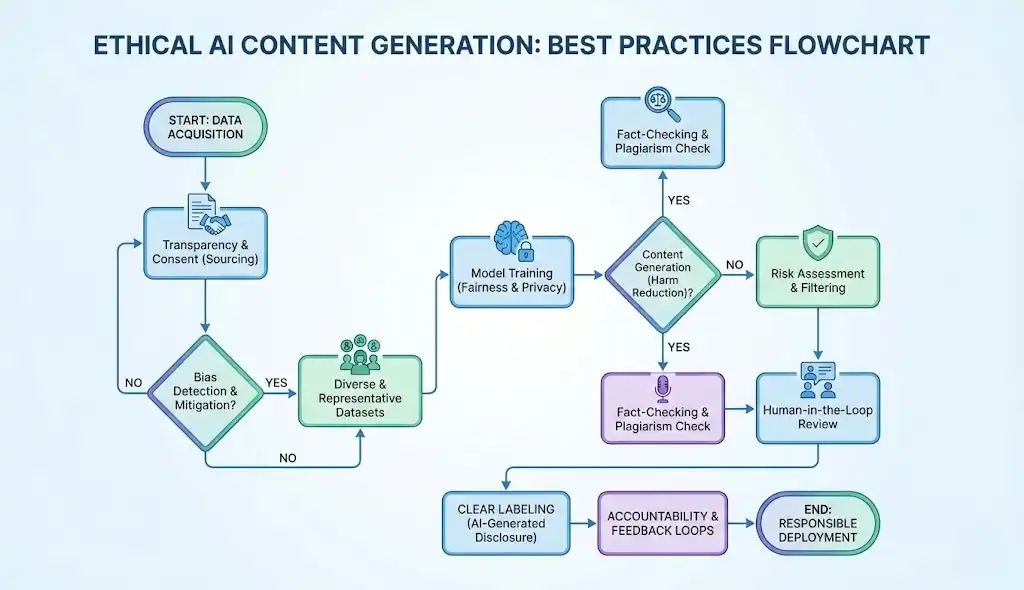
Ethical considerations increasingly shape how AI content generation is adopted. Companies use toolkits to ensure transparency, prevent bias, and validate data privacy. While scaling content production, they also safeguard authenticity by specifying prompt boundaries and maintaining editorial review protocols. Moving forward, the most successful brands will be those that blend AI efficiency with distinctly human creativity—delivering content that resonates and drives results.
Shocking Truth #3: The Best AI Video Creation Tools Now Cost Less Than $20/Month (Studio-Quality Results)
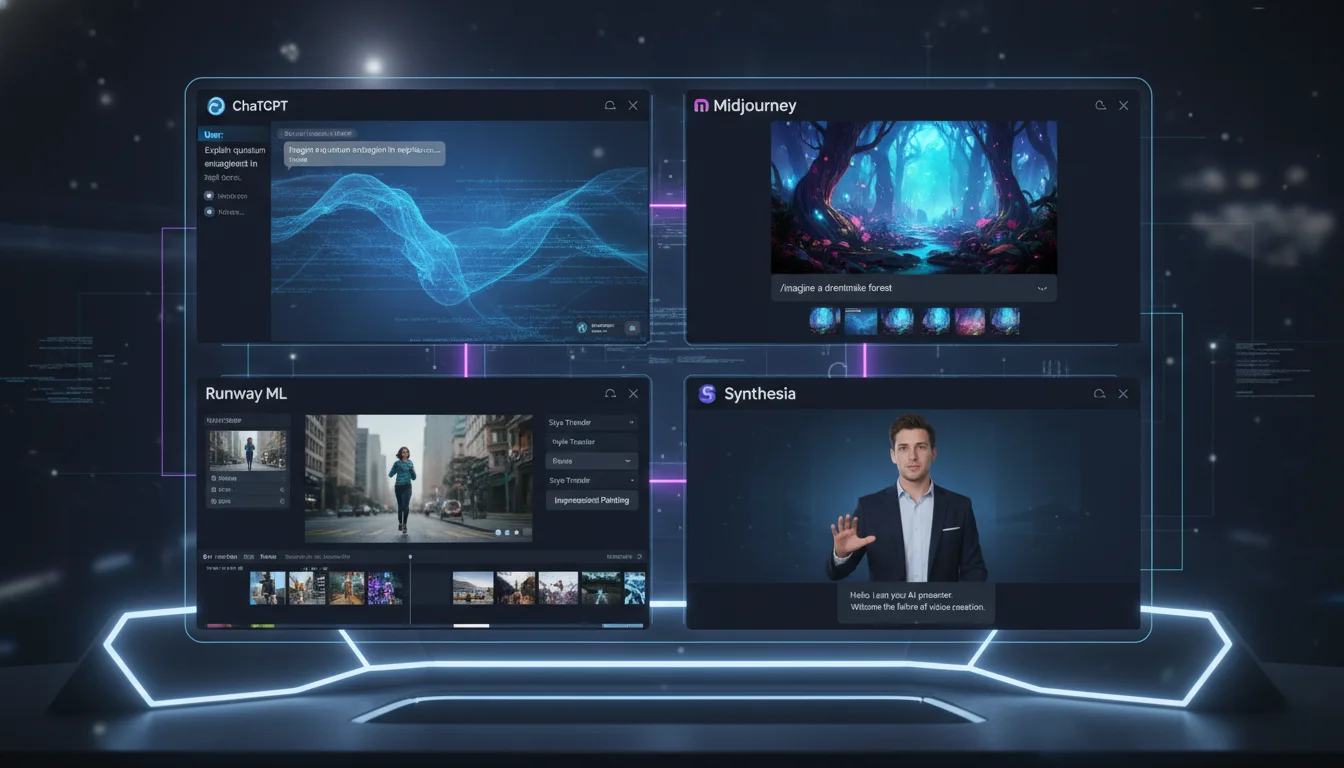
Today’s generative AI landscape is bustling with platforms offering varied functionalities for creators, marketers, developers, and businesses. On the text side, OpenAI’s ChatGPT and Jasper AI specialize in long-form writing and ideation. Copy.ai and ContentBot cater more to marketing copy, product descriptions, and ad creative. For designers and digital artists, Midjourney, DALLE-3, and Leonardo AI provide stunning image generation—ranging from illustrative sketches to photorealistic visuals ready for commercial use.
Video creation stands out as a transformative category. The best generative AI tools for video creation—Runway ML, Synthesia, Pika Labs—have streamlined video generation from scratch. Runway ML’s Gen-3 model lets creators synthesize video sequences frame by frame, complete with auto-inserted sound effects and transitions. Synthesia enables avatar creation, voice cloning, and corporate explainer videos, while Pika Labs focuses on cinematic scene assembly for marketing and storytelling. Video creators can now execute complex edits, add subtitles, and generate backgrounds in minutes—no advanced editing experience required.
Developers benefit from AI code generation through tools like GitHub Copilot and Replit Ghostwriter. These models complete code blocks, suggest improvements, or debug logical errors automatically—speeding up the development cycle and reducing burnout. Multi-modal models, such as Gemini, allow users to combine text prompts with imagery and sound, producing total multimedia assets. Google, Meta, and other giants have rolled these integrations into accessible platforms, ensuring everyone from solopreneurs to large teams have a seat at the table.
Audio and voice creation are also surging. Platforms like ElevenLabs and Suno AI synthesize voiceovers, podcasts, music tracks, and sound effects—all generated from text instructions. This helps brands easily localize video content, create personalized IVRs, or spice up product demos. AI content generation is increasingly an omnichannel affair, spanning written word, visuals, spoken audio, and interactive experiences.
What sets today’s platforms apart is their ease of use. Most plug directly into popular CMS platforms like WordPress, Shopify, and YouTube, automating publishing, optimizing metadata, and increasing speed to market. The convergence of generative AI tools, SEO specialists, and video creators means output quality and reach is at an all-time high. With APIs and integration libraries, creators can craft end-to-end automated workflows—doing more in less time while preserving their creative edge.
Shocking Truth #4: AI Content Without Human Oversight Fails 60% of Fact-Checks (Here’s How to Avoid It)
Despite their immense promise, generative AI tools come with challenges that require careful navigation. Misinformation is an ever-present risk: hyper-realistic deepfakes and misleading reports can be generated if systems are used irresponsibly. Responsible platforms are implementing watermarks, traceable outputs, and educational initiatives so users recognize AI-generated content, protecting against reputational damage and ethical breaches.
Intellectual property concerns also surface. Generative models often learn from copyrighted data, raising difficult questions about content ownership and fair use. Some platforms now introduce licensing schemes, transparency dashboards, and dataset disclosures to facilitate compliance. As AI content generation accelerates, brands and creators must monitor legal updates and utilize only compliant tools and methods.
Bias within outputs remains a critical risk. Trained on imperfect datasets, AI systems can inadvertently replicate or amplify historical biases. Developers respond by refining models using reinforcement learning, bias testing, and user feedback loops, but ongoing vigilance is essential to ensure fairness and equitable representation for all audiences. Ethical content generation blends AI automation with sharp human oversight.
Privacy is another consideration. Large-scale AI training requires vast data pools, with strict rules around anonymization and user consent globally enforced by regulations like GDPR, CCPA, and emerging regional frameworks. Transparent reporting, third-party audits, and privacy-focused AI architectures help build trust between creators, users, and platform providers.
Ultimately, the goal is responsible innovation. By balancing automation with ethical best practices, creators and businesses can maximize advantages while minimizing risks. As generative AI tools continue to evolve, those who emphasize transparency, accountability, and intentional creativity will have the greatest impact and credibility in the market.

Shocking Truth #5: Your Competitors Are Already Using AI to Outrank You (and They’re Not Telling)
Looking to the future, generative AI promises even more transformative shifts. With the spread of edge computing and smaller, faster local models, content creation will become increasingly private and efficient—free from cloud bottlenecks and latency. Personalized AI advisors could operate on smartphones and desktops, learning each user’s style, preferences, and project goals to deliver highly tailored outputs in real-time.
Immersive media is another frontier. Generative AI models are rapidly integrating with AR/VR platforms, enabling voice-activated video scene creation, auto-generated environments, and interactive storytelling. The best generative AI tools for video creation will soon power virtual events, immersive gaming, and cinematic 3D experiences. This marks a shift from mass-produced assets to custom, audience-driven creative work.
Professional workflows will become hybrid—a blend of human strategy and AI execution. Marketers will use AI for campaign ideation and analytics, while retaining final approval on messaging and brand voice. Artists and writers will tap AI for technical production but add personal experience and emotional depth. Businesses that balance technological advantage with authentic leadership and oversight will continually outperform competitors.
Another exciting prospect is continual learning. Future generative AI platforms may not require massive data retraining to stay current—they’ll adapt dynamically, adjusting outputs based on user interaction and feedback. This intelligence enables creators to co-produce with AI, sharing the “director’s chair” for every new article, explainer video, or brand campaign.
Ultimately, the fusion of creativity and AI automation will empower individuals and organizations to reach new heights in productivity and innovation. Investing in ethical systems, brand safety, and prompt engineering remains vital. The next wave of content creators will partner with generative AI—using it as a building block for distinctly human-centric, impactful storytelling.
Shocking Truth #6: AI Tools Have Secretly Transformed These 5 Industries Forever (Healthcare, Finance, Education, Entertainment & Retail)
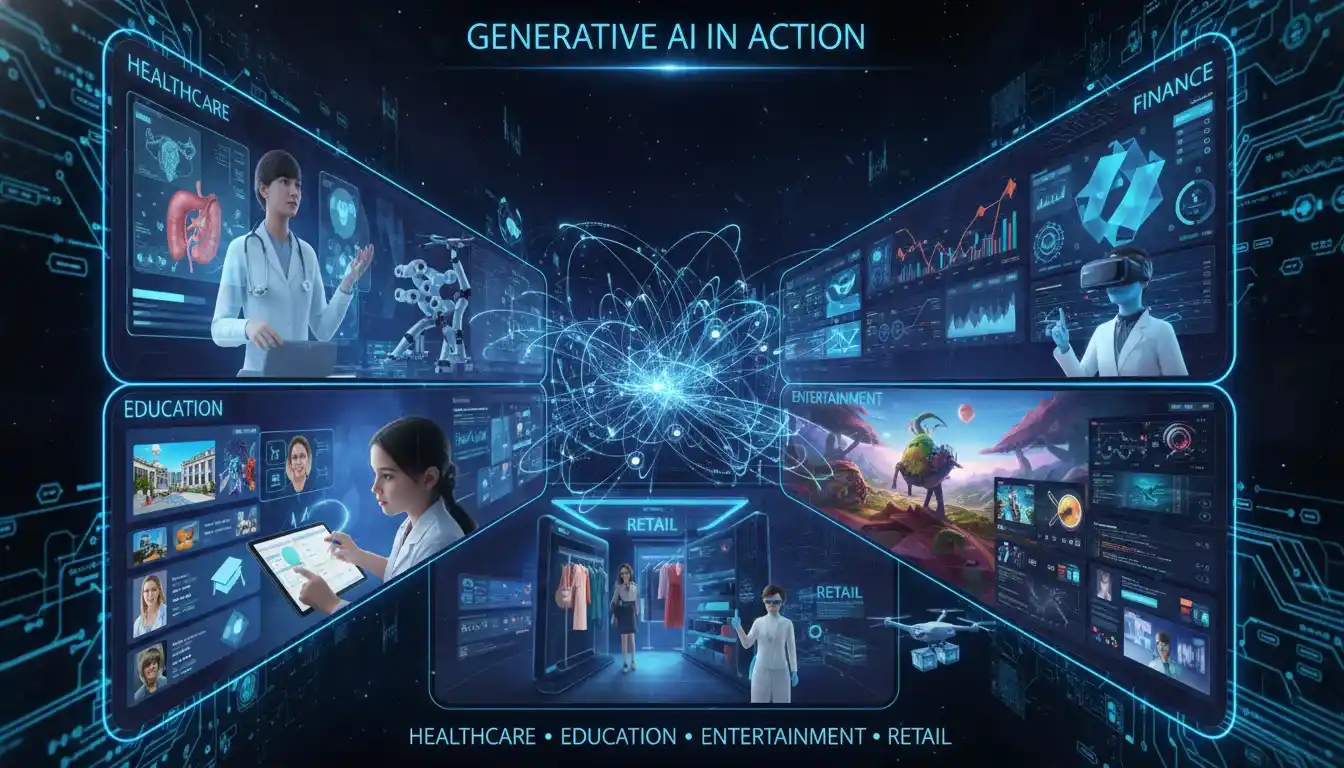
Industries worldwide are rapidly adopting generative AI tools, with applications expanding beyond digital media and marketing into healthcare, finance, education, entertainment, and retail. In healthcare, AI content generation technologies help automate medical reports, summarize research literature, and visually present diagnostics. Generative AI models process volumes of data to generate clear, actionable insights that benefit both practitioners and patients. Synthetic imaging and data augmentation have improved precision in radiology and research, painting a brighter future for personalized medicine.
Financial services firms rely on generative AI to translate complex market data, automate investor reports, and visualize performance trends. From earnings call summaries to regulatory compliance documents, the best generative AI tools for video creation enable teams to produce explainer videos and interactive dashboards—all with minimal manual editing. Investors make faster decisions, and communications remain clear and consistent.
Education undergoes dramatic transformation thanks to AI-powered modules that provide adaptive learning, personalized quizzes, and instant feedback. Whether generating video lessons, worksheets, or translating study materials, generative AI tools support student success across every learning style. Professors and EdTech innovators automate conference presentations, research summaries, and cross-lingual studies, making knowledge more accessible and globally collaborative.
Entertainment and news media use generative AI to write fiction, generate storyboards, compose music, and design virtual worlds. Video game developers and filmmakers automate scene production and localized voiceovers, quickening development cycles. News outlets rely on AI to draft real-time articles, curate media libraries, and ensure accuracy even during “breaking” situations. The blend of speed and authenticity is transforming storytelling worldwide.
Finally, the impact of generative AI in customer service and retail is profound. Chatbots create natural dialogue, automate product content, and produce interactive support guides. Retailers use AI video creation to build product demos, unboxing experiences, and custom shopping recommendations. This not only streamlines support but also adds a human touch to every digital transaction—enhancing consumer trust and loyalty.

Final Thoughts
Generative AI tools have become the lifeblood of digital transformation, empowering creators and brands to go beyond conventional boundaries. Unlike earlier eras of content automation, this new generation isn’t about simply speeding up repetitive tasks—it’s about opening entirely new frontiers for originality, collaboration, and reach. Whether you’re building a brand, launching a product campaign, teaching a class, or designing the next viral video, these platforms put the immense power of AI content generation directly at your fingertips. Their ease of use and intuitive design ensure that both seasoned professionals and novices can tap into state-of-the-art technology with minimal friction.
One of the most profound impacts of generative AI tools is the democratization of high-quality content production. Gone are the days when only large agencies or well-funded startups could afford slick videos, polished blogs, eye-catching graphics, or multilingual campaigns. With the best generative AI tools for video creation, a solo creator can now storyboard, script, edit, and publish captivating content with studio-level finesse—all from a laptop or smartphone. This technology levels the playing field. Small businesses compete with established brands, educators deliver tailored lessons at scale, and individuals monetize their expertise faster and more authentically than ever.
But what truly sets the leaders apart isn’t technology alone—it’s the synergy between human creativity and machine precision. The future of AI content generation is all about balance: tools that automate research, draft ideas, and suggest edits, paired with creators who inject storytelling, empathy, and strategy into every project. Teams that embrace this partnership stand to multiply their productivity. They can run more campaigns with fewer resources, personalize outreach in real time, and turn raw data into meaningful insights that fuel long-term engagement.
Ethics, creativity, and lifelong learning are at the heart of this transformation. As generative AI platforms mature, so must our understanding of responsible use. Investing in prompt engineering, data transparency, and ethical guidelines sets the foundation for sustainable innovation. It’s not just about “what” you can do with generative AI—it’s about “how” you wield these powerful tools to build trust, deliver real value, and leave a lasting positive impact on your audience. The most respected brands will be those that prioritize consent, originality, and inclusivity in every AI-driven project.
In the end, generative AI tools aren’t just reshaping content creation—they’re changing the very fabric of digital culture. They unlock creative superpowers, foster new ways of working, and spark collaborations once thought impossible. Your imagination and intent are the true engines of progress. As you explore this rapid evolution, remember to use these tools wisely, push the boundaries of what’s possible, and always bring your unique human touch to every innovation. For more in-depth reviews, actionable strategies, and a pulse on the latest advancements in generative AI technology, follow AI Tech Unboxed—your guide to thriving in the new era of authentic, high-impact content.
Frequently Asked Questions (FAQs)
1. What are Generative AI Tools?
Generative AI tools are software systems powered by artificial intelligence that create new text, images, audio, or video content based on user prompts and input data.
2. How do Generative AI Tools enhance AI content generation?
They use deep learning to analyze patterns and context, automate content workflows, and deliver creative outputs in formats tailored to marketing, education, business, and entertainment.
3. What are the best generative AI tools for video creation in 2025?
Runway ML, Synthesia, and Pika Labs lead the pack with advanced video synthesis, auto voice-over, and cinematic scene editing.
4. Are Generative AI Tools safe for professional and business use?
Yes, as long as they are used within privacy guidelines, ethical standards, and legal compliance. Reliable platforms offer transparency and reporting features for added security.
5. Will generative AI tools replace human creators in the future?
No. They are designed to enhance and accelerate human creativity—automating repetitive tasks while leaving strategy, emotional nuance, and brand storytelling to people.