
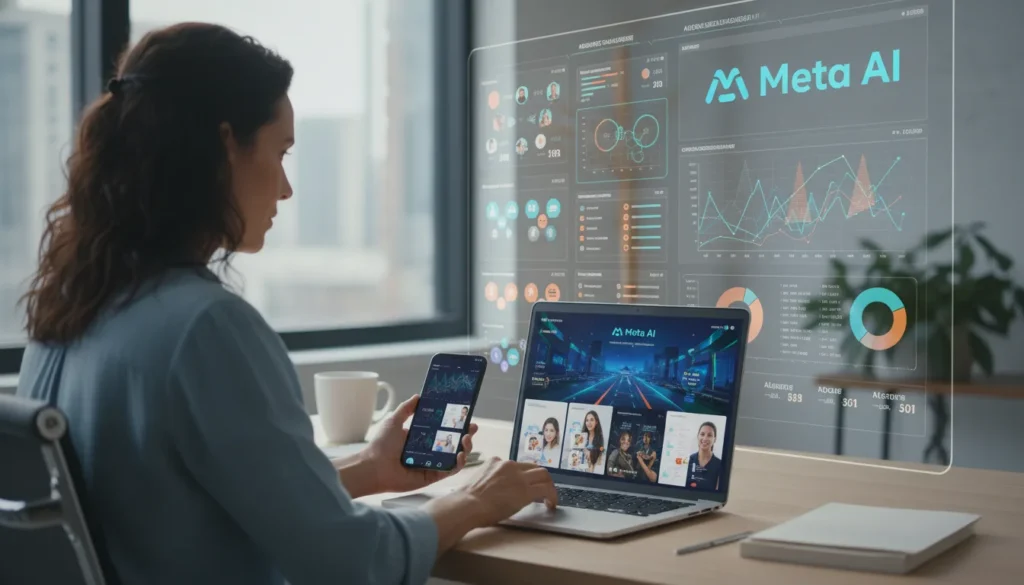
Meta AI Features Marketers Should Know in 2025
Introduction to Meta AI Features
The digital landscape is ever-evolving, and at the forefront of this evolution stands Meta, pioneering fresh innovations through their robust suite of artificial intelligence tools. With each meta ai update, new efficiencies and capabilities emerge, redefining what’s possible for digital marketers, business owners, and content creators. By harnessing the power of artificial intelligence, Meta aims to streamline workflows and bolster user engagement across platforms like Facebook, Instagram, Messenger, and WhatsApp. This ongoing advancement ensures digital
Note: Meta’s AI feature set is updated frequently across Facebook, Instagram, Messenger, and WhatsApp. Confirm current tool availability and specifications directly on Meta’s official business/ads platforms before planning campaigns.marketing strategies remain adaptable and future-proof in an increasingly analytics-driven world.
Meta continues to expand its AI toolkit for advertisers, and each rollout tends to focus on a specific pain point: automation, personalization, or predicting what will actually perform. For marketers running campaigns across Facebook, Instagram, and WhatsApp, these tools cut down on manual guesswork. Small teams in particular benefit, since the assistant-style features reduce the need for a large in-house creative or analytics department.
This isn’t just a bundle of new buttons — it changes how marketers approach storytelling, audience targeting, and measuring results. Whether the focus is creative development, ad placement, or deep-dive analytics, brands can pivot quickly and scale campaigns globally while keeping messaging locally relevant, which matters more as attention gets harder to earn online.
A standout attribute of the latest meta ai features for marketers is adaptability. These features aren’t siloed—they interact with other business systems and draw from cross-platform data to generate personalized recommendations. For instance, AI can now auto-craft ad creatives based on consumer behavior, generate product images and dynamic videos, and even optimize content schedules for maximum engagement. This intelligent adaptability signals a future where meta ai updates will be central to digital growth strategies.
Staying proactive matters here — adopting updates, watching performance, and adjusting strategy as new capabilities roll out. Done well, this translates into better ROI and stronger, longer-lasting audience relationships rather than one-off campaign wins.

Meta’s AI Business Assistant: Revolutionizing Marketing Workflows
One of the most transformative meta ai features released in the recent meta ai update is the AI Business Assistant. This digital assistant is engineered to guide marketers through every step of the ad campaign journey, making sophisticated AI-driven insights available on demand. Unlike traditional support systems, the Business Assistant is tightly integrated with Meta’s Ads Manager and Business Suite, providing immediate help for questions ranging from budget adjustments to creative recommendations. Its intuitive conversational interface means that even those with minimal technical expertise can leverage its power.
This assistant learns from a company’s historical campaign data, current performance metrics, and ongoing audience interactions, so every suggestion is tailored to your specific business context. It can recommend effective audience segments, advise on creative changes to boost clicks or conversions, and flag compliance or ad quality issues before they turn into costly errors — which means less time troubleshooting and more time on strategy.
The Business Assistant also excels at supporting multi-channel strategies. Need to cross-promote content on Instagram, Facebook, or Messenger simultaneously? The assistant streamlines budgeting, scheduling, and repurposing assets, so you achieve consistent messaging across all digital touchpoints. Small businesses especially benefit from these updates, leveling the playing field with larger enterprises by unlocking smart automation and data-backed optimization, regardless of their internal AI resources.
The assistant also monitors campaigns as they run, flagging underperforming assets and suggesting quick fixes. If a carousel ad is stalling, for example, it might prompt a new headline idea or a different call-to-action. Over time, its recommendations get more attuned to your brand’s voice and past decisions, rather than offering the same generic tips repeatedly.
Crucially, this AI Business Assistant isn’t just a reactive tool—it’s proactive, too. Marketers receive periodic “opportunity scores” and strategic recommendations, helping them spot emerging trends or campaign issues early. This foresight, paired with actionable guidance, means the latest meta ai features for marketers drive results faster and with greater confidence. As Meta continues refining this assistant, expect even deeper integration with sales, customer support, and analytics platforms, making it a cornerstone for holistic digital marketing management.

AI-Driven Creative Tools: Enhancing Content Quality and Engagement
As digital interaction becomes increasingly visual, Meta’s focus on creative AI tools sets new benchmarks for marketers. The meta ai update has turbocharged creative production, delivering tools that allow for instant image generation, AI-powered video dubbing, HDR enhancements, and even the creation of animated assets from static product shots. This shift means brands can generate quality content at scale, catering to every audience touchpoint without hefty production costs or delays.
This also opens the door to high-end creative production for teams that don’t have a big budget. Marketers can access a suite of video and image generation tools that rival specialized creative agencies. Whether it’s an AI-generated music track synced to a product demo or automatically dubbed ads reaching multilingual markets, brands can connect with their audience in ways that feel personal and globally relevant.
Persona-based image generation is one of the standout capabilities here. By drawing from audience data, the AI crafts visually distinct assets targeted to specific demographics, interests, or behaviors, delivering the right message to the right viewer at just the right moment. Brands can upload base images or use prompts, then watch as the AI translates a single creative idea into diverse, audience-specific visuals. Marketers can test, refine, and deploy these variants in minutes, staying agile in fast-moving markets.
The meta ai update also extends to campaign optimization through creative analytics. Marketers gain access to automated reports highlighting which video edits, visual themes, or music overlays drive the best performance, and can instantly update campaigns with in-tool edits. This real-time, feedback-driven process ensures wasted ad spend is minimized, campaign launches are more informed, and creative components are always aligned with audience sentiment and behavior.
Most notably, integrating AI-powered creative tools into broader marketing workflows unlocks unprecedented synergy. With meta ai features seamlessly connected to content calendars, analytics suites, and ad managers, marketers can plan, execute, and measure campaign success in a fully harmonized environment. The barrier to testing bold ideas is lower than ever, inviting brands to experiment, iterate, and continually elevate their storytelling.
Privacy and Data Use in the Latest Meta AI Update
The growing sophistication of Meta’s artificial intelligence comes with a renewed emphasis on user privacy and ethical data use. With each meta ai update, Meta provides more transparency around how it gathers, processes, and applies user data to optimize ad targeting and content recommendations. The latest guidelines make it clear: while AI-driven personalization is powerful, it must always respect the privacy boundaries that modern users demand.
At the core of these privacy measures is a clear separation between encrypted and non-encrypted user interactions. Data from encrypted spaces (like WhatsApp chats between individuals) remains strictly private, while insights from AI-assisted search, chat, and image generation can be used, within strict guardrails, to deliver more relevant content and ads. This gives marketers a richer data layer for fine-tuning outreach, while staying compliant with major privacy regulations.
Meta has introduced new dashboards and user controls in response to growing consumer concerns about data usage. Every meta ai update includes expanded privacy settings, where users can review their data footprint, manage ad preferences, and toggle participation in AI-driven ad targeting. Brands are encouraged to communicate clearly about how they use AI-generated insights to personalize experiences, thereby boosting trust and fostering more positive engagement.
For marketers, navigating this new privacy landscape means striking a balance: leveraging the insights that meta ai features provide without overstepping the bounds of trust or compliance. Campaigns must prioritize transparency, giving users agency over their own data and ensuring all messaging is clear about the value exchange—personalized experiences in return for anonymized, non-sensitive data feedback. The meta ai update empowers organizations to champion ethical marketing, setting them apart as leaders in consumer respect and digital integrity.
Looking ahead, privacy-by-design will become an expectation, if not a requirement, for any digital platform that wants sustained success. By staying proactive—adopting new privacy controls, learning from user feedback, and responding to regulatory changes—marketers can create AI-powered campaigns that deliver results and peace of mind alike. The latest meta ai features for marketers aren’t just about smarter tools; they’re about using those tools responsibly and building a future-proof digital brand.
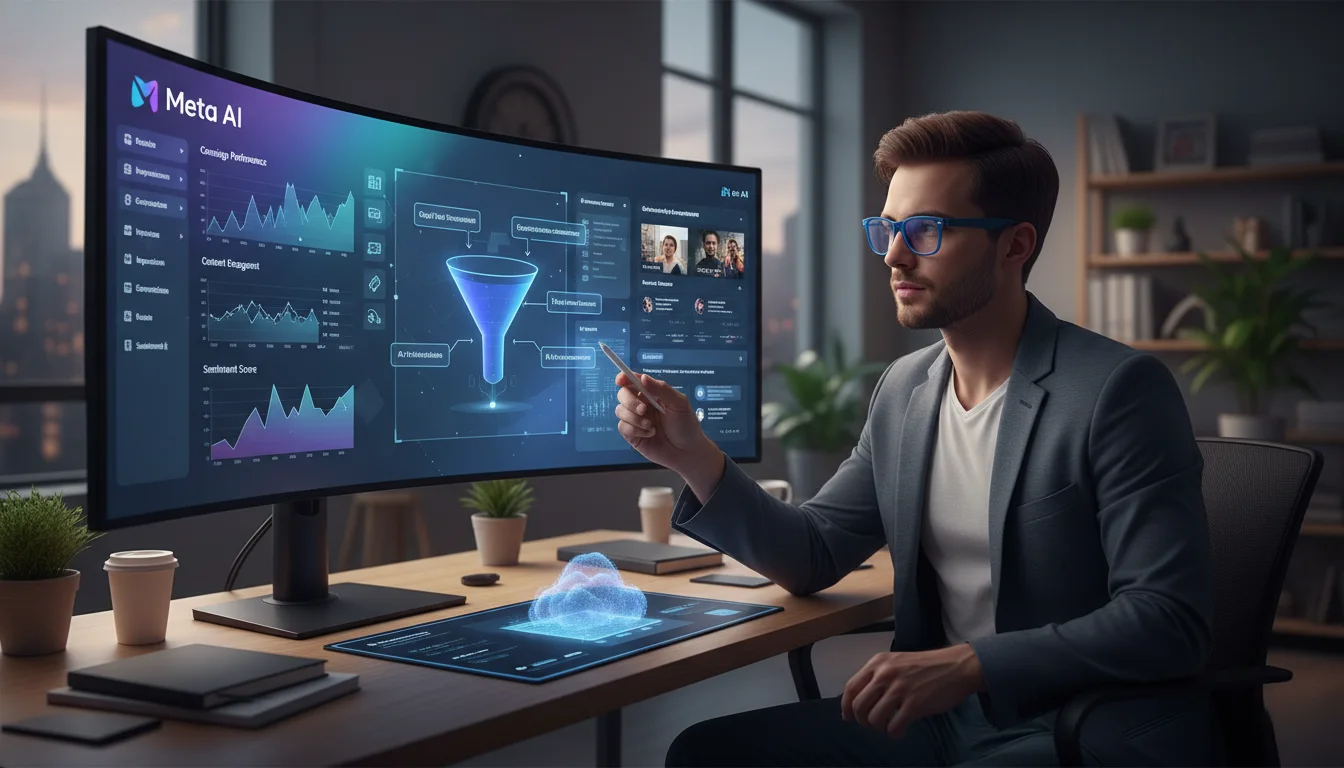
AI-Powered Optimization: Campaigns and Content Analytics
No digital marketing strategy is complete without robust measurement, and Meta’s latest meta ai features for marketers bring campaign optimization to new heights. Powered by machine learning, AI analytics tools now deliver granular, actionable insights on everything from audience segmentation to creative performance. Marketers get real-time dashboard updates—with suggestions for split testing, instant alerts for underperforming content, and guidance on budget reallocation—all accessible in a few clicks.
Campaign optimization with AI isn’t just about seeing what’s working; it’s about continually evolving the approach for maximized results. Meta’s analytics suite tracks each ad’s lifecycle, providing recommendations to adjust bids, refine audience targets, or update creatives. With each iteration, campaigns get smarter and more effective, ultimately boosting conversion rates while lowering spend. Marketers are empowered to make quick decisions backed by data, rather than relying on guesswork or slow reporting cycles.
Predictive modeling and scenario analysis are also part of this toolkit. Want to know how your campaign might perform with a different asset mix or targeting tweak? The platform’s AI simulates alternative approaches, giving marketers a kind of “crystal ball” to forecast outcomes and minimize risk — useful for both real-time adjustments and planning future launches.
This extends to content analytics too, going well beyond basic reporting. AI tracks not only hard data like clicks and conversions, but also soft metrics such as sentiment, shareability, and engagement depth. This broad, holistic view helps marketers understand not only what’s working, but why — unlocking insights for creative innovation and messaging refinement.
Ultimately, the fusion of campaign management, advanced analytics, and AI-driven forecasting makes the marketing process infinitely more agile. With processes automated, insights at their fingertips, and optimization tools always evolving, forward-thinking brands can grow their digital presence more efficiently than ever before. The result? Greater ROI, leaner teams, and a marketing engine that’s always learning, always improving, and always aligned with business goals.

Who Should Use These Meta AI Features
These features are most valuable for small business owners and D2C brands running ad campaigns on Facebook, Instagram, or WhatsApp who want to cut creative production time and improve targeting without hiring a large team. Growth marketers managing multiple campaigns benefit from the AI Business Assistant’s real-time optimization suggestions, while agencies handling several client accounts can use persona-based creative generation to scale output. For Indian businesses using Meta Ads, these tools also help manage multilingual creative variants and region-specific targeting, though marketers should verify data handling practices align with India’s DPDP Act requirements before scaling AI-personalized campaigns.
Final Thoughts
Meta’s ongoing AI transformation is rewriting the playbook for marketers seeking authentic connections and high-impact results in a digital-first world. The latest meta ai features for marketers cover every touchpoint: from creative ideation, to automated campaign management, to ethical data use and real-time analytics. Each meta ai update introduces more tools, intuitive workflows, and actionable insights that anyone—from solopreneurs to global brands—can leverage for greater efficiency and creativity.
It’s impossible to overstate the opportunity: As market dynamics shift, those most adept at adopting, experimenting with, and mastering the latest meta ai features for marketers will lead in audience engagement and brand loyalty. The current suite opens pathways to hyper-personalized targeting, community-driven brand building, and stunning content production—all while keeping privacy and transparency at the core. Harnessing this power is no longer a “nice to have” but a foundation for future digital marketing success.
In this AI-augmented era, human-centric creativity paired with data-driven insight will set the pace for innovation. Marketers must not only keep up with each meta ai update—they must embrace a mindset of ongoing learning, adapting to new tools and leveraging analytics for smart, ethical growth. The journey with Meta’s AI is just beginning, and each new feature brings the potential for greater storytelling, richer user experiences, and smarter business outcomes.
Whether you’re launching your first campaign or scaling a global strategy, now is the perfect time to explore, test, and implement the latest meta ai features for marketers. Every modern digital marketer owes it to themselves—and their audience—to be part of this transformation. For the latest strategies, best practices, and in-depth coverage of every major meta ai update, follow AI Tech Unboxed and stay at the cutting edge of marketing innovation.
FAQS
1. What are the top meta ai features marketers should focus on in 2025?
The most impactful meta ai features for marketers in 2025 include AI-powered content creation tools, such as image and video generators, the innovative Meta AI Vibes video feed, and persona-based creative asset makers. Marketers now have access to the AI Business Assistant, which greatly simplifies campaign management and audience targeting by providing real-time, data-backed recommendations directly in the Meta business suite. The latest meta ai update has also introduced multilingual dubbing, creative optimization with predictive analytics, and integrated campaign benchmarking. By focusing on these advanced features, marketers can consistently produce high-quality, engaging content at scale, increase campaign ROI, and connect authentically with a global audience.
2. How does the latest meta ai update enhance ad performance and audience targeting?
The latest meta ai update enhances ad performance primarily through precise automation and real-time adjustment. The AI analyzes conversational data, user engagement, and campaign performance to deliver smarter budget allocations and creative recommendations tailored to your audience’s interests. Features like Advantage+ campaigns and AI-generated creative suggestions allow marketers to test numerous asset variants quickly and optimize for the highest impact. This results in improved conversion rates and better return on ad spend. Moreover, the update’s audience targeting mechanisms draw from Meta’s vast data ecosystem, allowing marketers to reach the most relevant users with the right message at the right time, all while maintaining user privacy and consent.
3. Is user data safe with the new meta ai features, and how does Meta address privacy concerns?
Yes, Meta has implemented robust privacy protocols within every meta ai update. Data used for AI-driven personalization is carefully separated from encrypted communications, and only non-sensitive interactions with Meta AI are analyzed for content recommendations and ad targeting. Users can control how their data is utilized via expanded privacy dashboards, deciding which insights are shared and which AI-driven experiences they prefer to engage with. Marketers benefit from this system by receiving audience insights that help personalize campaigns, but must always prioritize transparency, informing users how their data shapes their content experience. Meta’s focus on privacy-by-design ensures that these meta ai features remain compliant with global regulations while fostering trust with both brands and consumers.
4. In what ways can small and medium-sized businesses benefit from the latest meta ai features for marketers?
Small and medium-sized businesses stand to gain immensely from the democratization of technology brought by the latest meta ai features for marketers. With access to easy-to-use AI-generated visuals, automated ad recommendations, and campaign optimization tools, SMBs compete on a level playing field with larger companies. The AI Business Assistant streamlines processes for those with limited resources or marketing expertise, while tools like Vibes enable rapid content creation and trend participation. These features not only lower costs but also amplify creativity, helping businesses of all sizes launch agile, highly effective marketing strategies updated in real time through each meta ai update.
5. How do I stay up to date and make the most of upcoming meta ai updates and features?
Staying updated on meta ai features and leveraging each meta ai update is essential for maintaining a competitive edge. Marketers should subscribe to Meta’s official update channels, follow leading tech and marketing blogs such as AI Tech Unboxed, and participate in Meta’s webinars or training sessions. Experimenting with new features as soon as they roll out allows for early adoption and skill-building. Using the built-in analytics and feedback tools within Meta’s AI-powered platform will help you understand which features drive the most impact for your campaigns. Continuous learning, early experimentation, and community engagement are the keys to thriving in the world of AI-powered digital marketing.