Explore how Whisper transcription improves speech-to-text accuracy, workflow speed, and real-world productivity for creators.
What Is Whisper Transcription and How Does It Work?
Whisper is OpenAI’s open-source speech-to-text model, trained on 680,000 hours of multilingual audio. It supports transcription and translation across more than 90 languages and runs locally on your device, which makes it suitable for privacy-sensitive audio. This guide covers how Whisper transcription works, where it performs well, its current limitations, and practical use cases across content creation, healthcare, education, and enterprise workflows.
How Whisper Works: Technical Architecture and Language Support
Traditional Speech-to-Text tools have always had their limits. From spotty transcription accuracy and poor accent recognition to clunky integrations, creators and professionals alike have yearned for something better. Whisper Transcription’s secret lies in its backbone—a transformer neural network architecture specialized in extracting not just words, but meaning, tone, and emotion from the spoken word.
The real magic of Whisper is its training. Unlike earlier models, Whisper learned from a colossal, multilingual speech dataset sourced from publicly available audio, podcasts, lectures, interviews, and user-generated content. This allows it to process regional dialects, technical terms, and noisy environments with a remarkably human touch. Even if you switch mid-sentence from English to Spanish, or ask it to transcribe a science lecture with dense terminology, Whisper adapts in real-time.
Moreover, Whisper prioritizes real-time transcription. Businesses dealing in customer service, law, healthcare, and content production benefit greatly—meetings and interviews are recorded and transcribed on the fly, saving valuable time and reducing manual labor. The model isn’t just accurate; it’s lightning fast, making it suitable for applications like live broadcasts, court reporting, and instant messaging transcription.
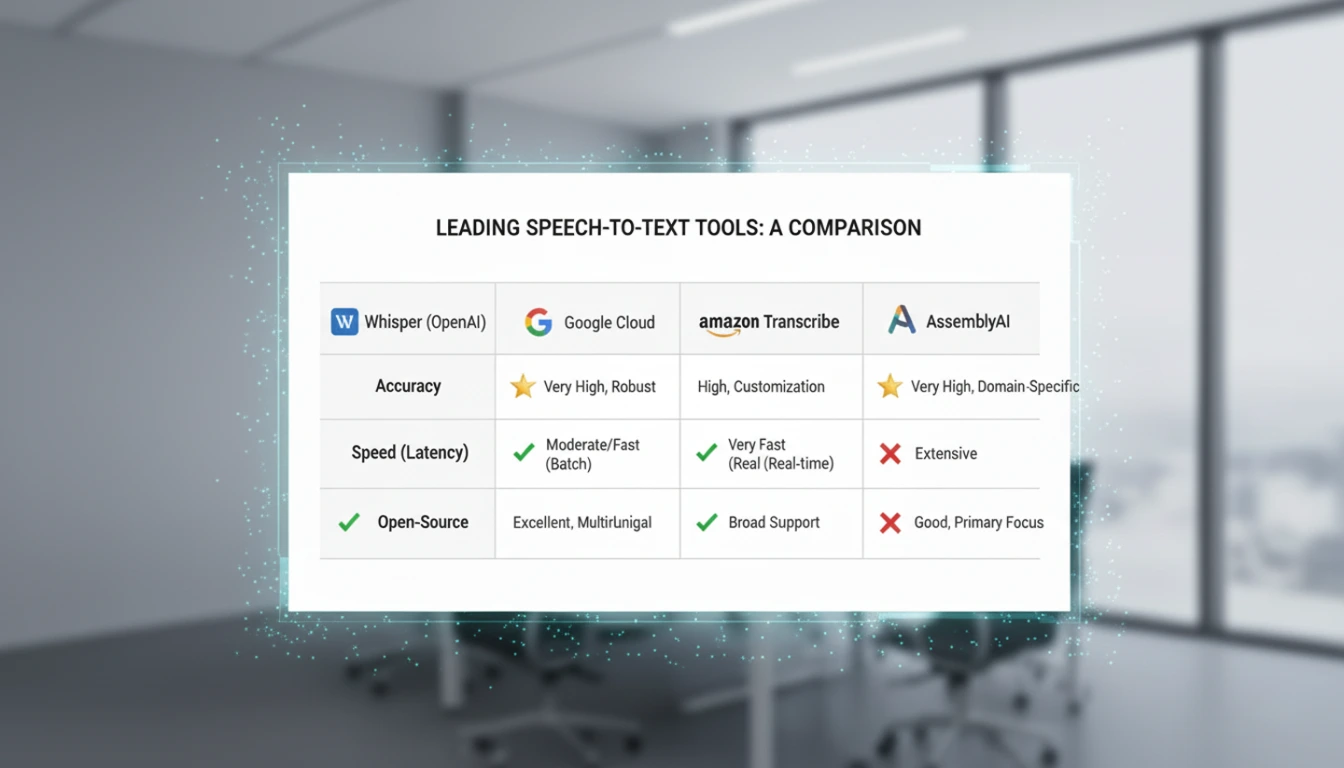
What really sets Whisper apart for developers and businesses is its open-source nature. You can access, fine-tune, and customize the transcription pipeline for virtually any industry use case, ensuring privacy, compliance, and cost efficiency. For example, sensitive legal or medical content never has to leave your local device—an option often impossible with closed, cloud-based competitors.
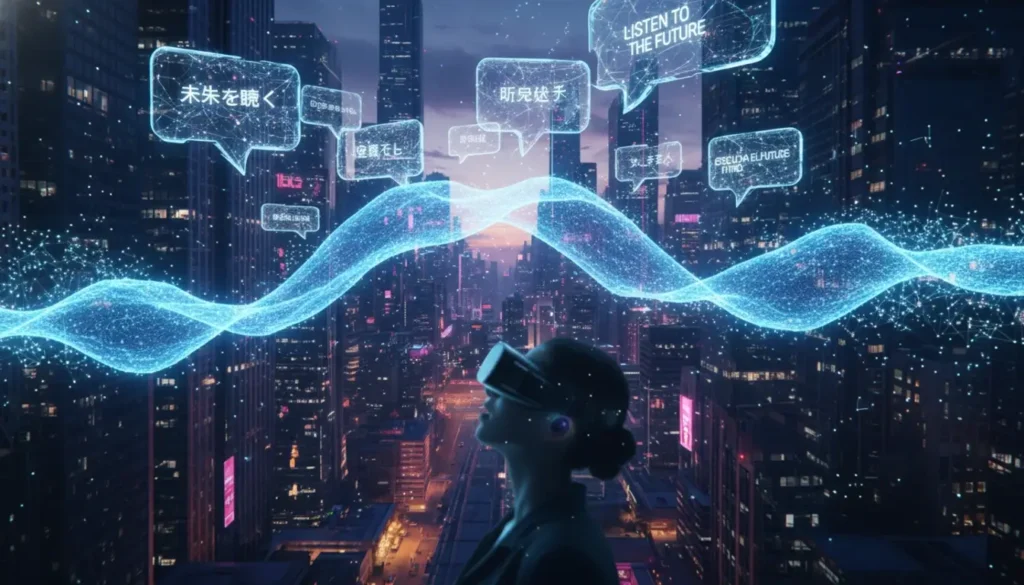
As of 2025, Whisper has integrated new diffusion transformer layers, boosting transcription reliability even in chaotic acoustic environments. It also supports over 90 languages, opening doors for global communication that previously required expensive human interpreters. This is true accessibility—AI that listens, thinks, and responds for everyone.
At the core of Whisper Transcription’s unmatched accuracy is its ability to “learn on the go.” Through ongoing training using diverse, real-world conversations, the underlying AI not only adapts to slang or idioms but also remembers patterns that human transcribers often miss. One example: call center recordings rife with overlapping chatter or fluctuating signal strength. Where legacy STT systems would fail, Whisper segments the audio, isolates speaker voices, detects sentiment changes, and even identifies named entities—turning chaos into clarity.
Whisper’s adaptive intelligence also means it can spot errors in context. For instance, if a podcast guest mispronounces a scientific term, Whisper uses nearby words and topic modeling to infer the right phrase, flagging anomalies for easy review. In legal applications, where every word matters, this becomes invaluable for maintaining transcript integrity—even with jargon-heavy cross-examinations or unclear audio.
The community’s embrace of Whisper’s open AI stack has driven innovation further. Healthcare developers train custom Whisper models to handle thick regional or non-native English accents, leading to superior dictation accuracy for clinicians. Entertainment companies have created auto-captioning services for live esports and gaming streams with ultra-fast latency—something unthinkable for consumer-level STT just a few years ago.
No less impressive, Whisper is “always in school.” User refinements, open pull requests, and live application feedback are poured back into future model releases. This feedback loop has made Whisper not only more accurate, but also more “human,” as it continues to adapt to the ever-changing way people worldwide speak, emote, and communicate.
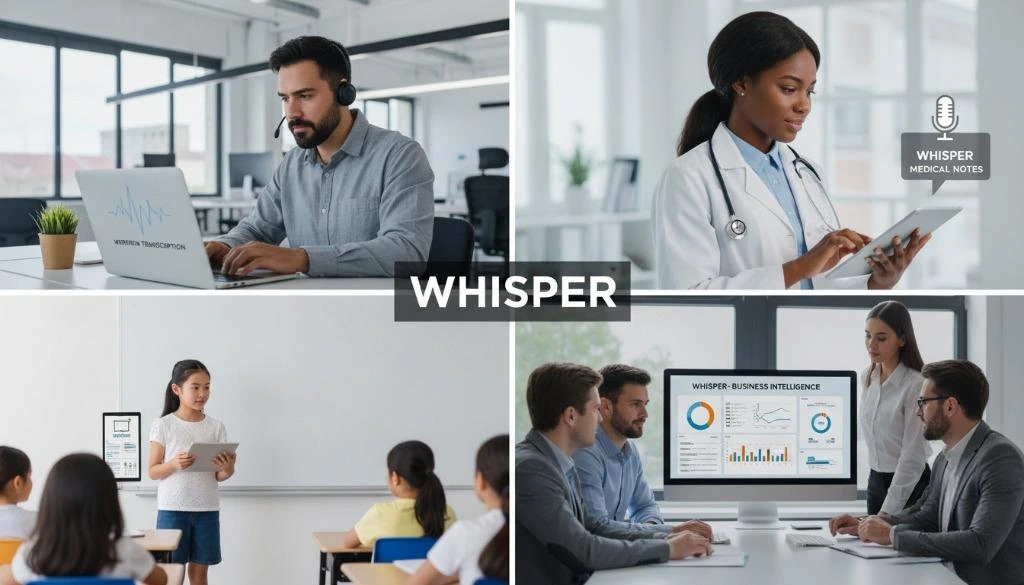
Real-World Impact: Applications of Whisper Transcription Across Industries
Imagine if every meeting, interview, or brainstorming session you attended could be instantly transcribed and indexed—searchable, shareable, and easily stored forever. That’s the reality Whisper Transcription brings, and its impact is already being felt across industries.
In media and podcasting, journalists now rely on Whisper to transcribe interviews—even those conducted in bustling cafes or with poor audio equipment. Audio creators, YouTubers, and video editors deploy Whisper-powered plugins for instant captioning and subtitle generation in diverse languages. The difference isn’t just speed—it’s authenticity. Listeners no longer have to worry about context or sentiment being lost in translation. What is said is captured, context and all.
The education sector is experiencing a leap in accessibility. Professors use Whisper to convert lectures into crisp, indexed notes; international students benefit from real-time multilingual captions; and students with disabilities or neurodivergence now enjoy equal access to information. Hybrid and remote learning, previously fraught with technological barriers, become smooth and inclusive thanks to advanced, always-reliable Speech-to-Text.
Even in healthcare and law, Whisper is breaking barriers. Doctors record patient notes during consultations without worrying about privacy leaks—since Whisper can run locally on secure devices. Lawyers transcribe depositions automatically, improving accuracy while saving time (and costly paralegal hours). In business, every virtual call, client session, or brainstorming can generate actionable, error-free transcripts for future reference.
Companies scaling in multilingual markets find Whisper indispensable. From cross-border team meetings to training resources and customer support, language is no longer a barrier. The AI ingeniously detects code-switching between languages, allowing enterprises to thrive in international landscapes.
This is not just productivity—it’s life-changing accessibility, knowledge democratization, and new creative horizons for millions.
Let’s zoom in on some of the highest-impact field stories:
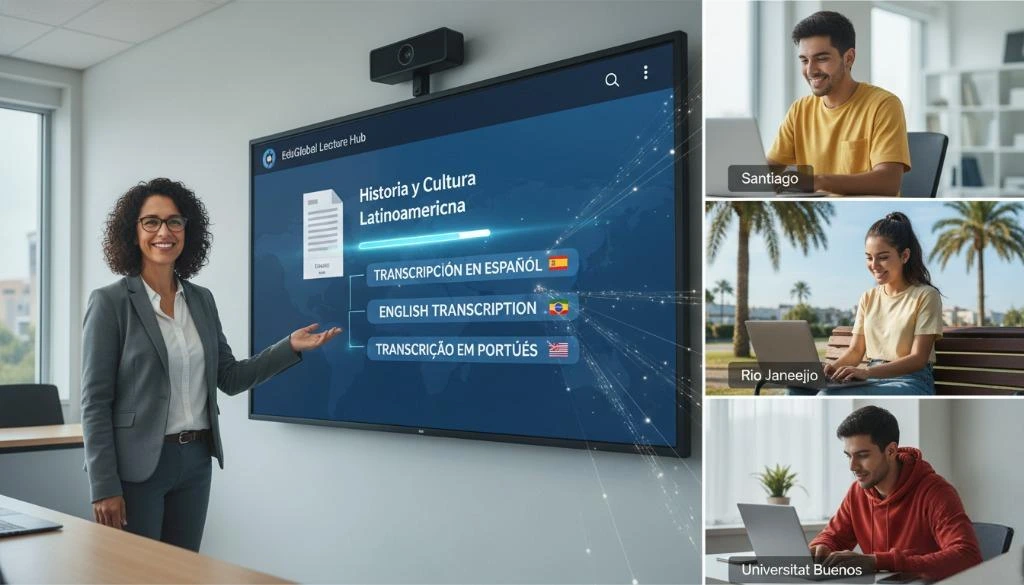
Education:
A major university in South America integrated Whisper Transcription into all online learning modules, boosting accessibility for students who couldn’t attend live sessions due to bandwidth issues. Professors simply uploaded their lecture recordings; within minutes, complete transcripts—accurate and readable in multiple languages—became available for all. The result wasn’t just higher grades; it was broader participation from underserved students who, for the first time, felt fully included in the digital classroom.
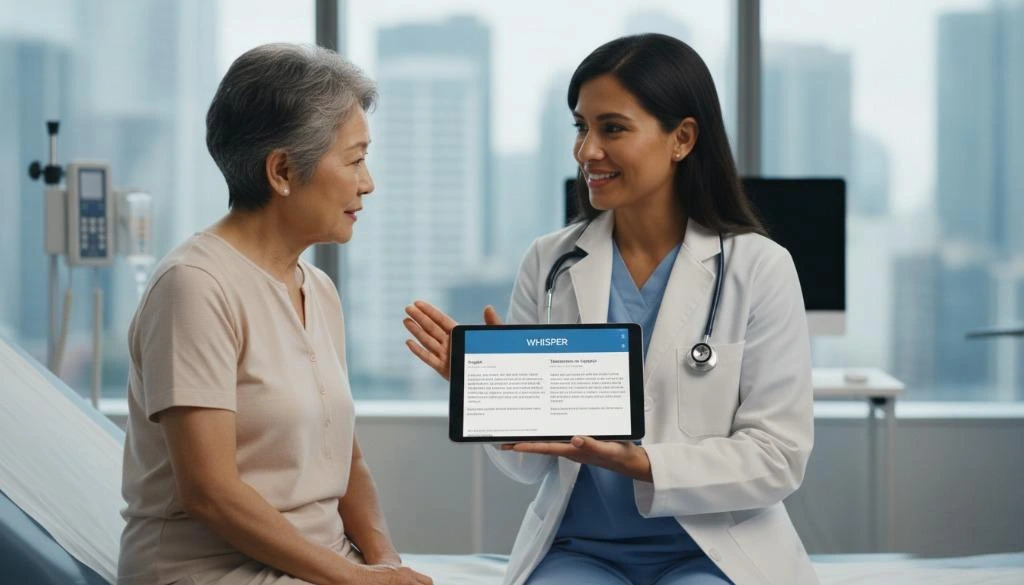
Healthcare:In practice, hospitals piloting Whisper-based dictation tools report time savings for clinicians and improved workflow for multilingual consultations, though results vary by institution and use case. Whisper’s on-device processing option can support patient confidentiality requirements, but healthcare organizations should independently verify compliance with applicable regulations (such as HIPAA) before deployment.

Media & Journalism:
A global news network started transcribing video interviews with field reporters using Whisper, slashing editing bottlenecks and delivering tightly subtitled international stories within hours—rather than days. Context-aware transcription also meant fewer “inaudible” notations and greater editorial confidence.
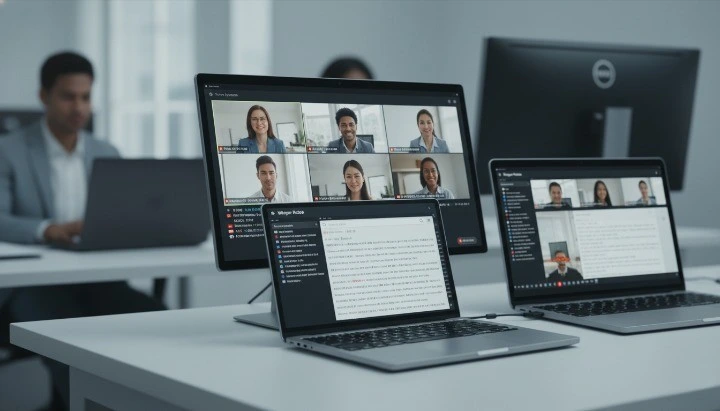
Business Operations:
International teams on fast-paced Zoom calls used Whisper to generate real-time meeting transcripts in both native and secondary languages. Sales, support, and training decks became instantly searchable, dramatically improving follow-up and knowledge-sharing.
Public Sector:
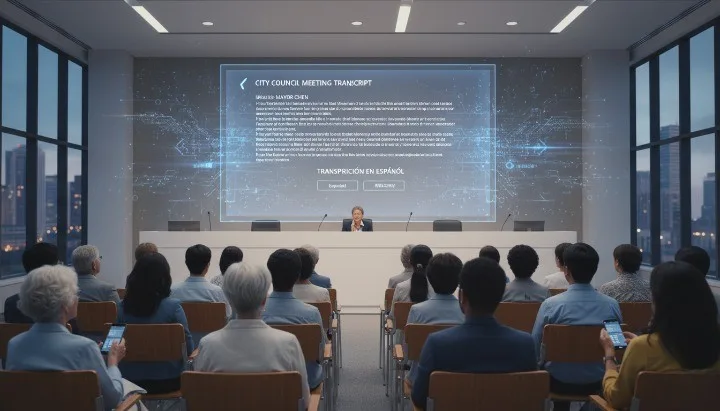
City councils and local governments seeking transparency began producing Whisper-powered, open-access transcripts of public meetings. Community trust soared as citizens accessed debates and policy explanations with accuracy and multi-language support previously unavailable from government websites.
Each case proves a simple truth: when machines finally understand us, we unlock new potential for efficiency, inclusion, and creativity in every sector.

Technical Foundations: How Whisper Delivers Human-Like Speech-to-Text
The magic inside Whisper Transcription comes from its unique technical architecture—engineered to mimic how humans actually listen, learn, and understand language. Drawing from state-of-the-art transformer neural networks, Whisper’s core model processes speech using multi-headed attention mechanisms, giving it the power to learn meaning, context, and subtlety from incoming audio.
Most “legacy” Speech-to-Text tools rely on smaller, domain-specific datasets. Whisper, on the other hand, was trained on a communal, open-source dataset that spanned podcasts, audiobooks, interviews, lectures, and more—ranging from crystal-clear studio environments to bustling street audio. This variety makes Whisper uniquely robust: whether you’re a content creator recording in a noisy hotel or an educator capturing a massive auditorium, the model adapts effortlessly.
Speed and efficiency are also a hallmark of the Whisper architecture. Thanks to the recently implemented diffusion transformer layers, parallel processing, and advanced error correction, Whisper can handle long-form transcription and noisy audio sources in a fraction of the time it took previous models. Developers can now deploy it in resource-limited environments (like mobile devices) or as powerful backbone engines in cloud workflows.
Open-source accessibility ensures Whisper remains privacy-friendly and highly customizable. Enterprises in sensitive fields can tweak or fine-tune the model for industry-specific needs without sending confidential audio to external servers. This keeps regulatory and security teams happy without sacrificing the seamless Speech-to-Text experience.
Finally, the future of Whisper isn’t just about raw transcription. The roadmap includes emotion detection, intent analysis, and even “context memory”—paving the path for voice-to-data solutions that actually “understand,” not just “hear.”
Whisper’s power is magnified by how easy it is for developers to adapt and extend. The open-source repository includes numerous APIs, integration samples, and ready-to-use container deployments for every major operating system. That means whether you’re building a custom podcasting workflow, a hands-free medical dictation app, or a global customer support dashboard, Whisper adapts to your ecosystem, not the other way around.
For workflow engineers, this means unprecedented flexibility. Want speech diarization (dividing transcripts by speaker)? Easy. Need sentiment tags, translation, or entity detection? Many plugins and extension scripts build on top of Whisper’s base architecture. Tuning for domain-specific vocabulary—like law, healthcare, or technical training—lets organizations deploy bespoke STT models that drastically reduce post-editing.
The community’s appetite for innovation has also led to advanced features like “real-time AI translation” and “multimodal AI,” where Whisper transcripts integrate with visual analytics (think: matching a lecture’s spoken transcript to the professor’s slides). This creates new frontiers in accessibility tech, from AR captioning in smart glasses to language tutoring robots that transcribe and coach on pronunciation in real time.
OpenAI’s regular updates and active global forums mean developers have support and roadmap transparency. This energizes small startups and solo creators—a crucial factor in balancing the field against bigger, proprietary tech conglomerates.

Challenges, Ethics, and the Road Ahead for Whisper Transcription
Like all disruptive technologies, even brilliant solutions like Whisper Transcription aren’t immune to challenges. As powerful as Speech-to-Text AI has become, even the best models face hurdles such as accent ambiguity, low-quality audio, overlapping speech, and code-switching between less common languages. Developers and users alike must remain aware that, though Whisper is industry-leading, no system is totally infallible.
One frequently discussed issue is “AI hallucination,” where the transcription engine invents plausible-sounding text for unclear audio. Though rare with Whisper (thanks to vast dataset exposure and real-time error correction), these occurrences can lead to subtle misinformation in legal, medical, or journalistic settings. Proactive human review and continuous dataset updates remain crucial to keeping standards high.
Ethical considerations run deeper still. Automated Speech-to-Text touches on critical areas like privacy, consent, and data ownership. Whisper’s open-source model greatly reduces cloud-based data exposure, giving users more autonomy—but it’s still vital for organizations to inform involved parties whenever recordings or real-time transcriptions are happening. Regulatory transparency is non-negotiable.
Another evolving challenge is ensuring balanced representation in training data. AI models need diverse inputs to accurately transcribe minority dialects, underrepresented languages, and unique speech patterns. The open-source community around Whisper actively expands these datasets, striving to make Speech-to-Text universally unbiased and truly global.
Best practice is now to default to explicit, opt-in consent before using voice data for any automated transcription, especially in multi-party settings (recorded meetings, interviews, etc.). Organizations must deploy clear policies and easy-to-use toggles, giving users full choice over participation and how their speech is stored. Whisper’s documentation includes detailed implementation guides for compliance in US HIPAA, EU GDPR, and other legal environments—helping organizations avoid costly data mishandling.
On the social side, AI developers must constantly test for “accent privilege”—bias where certain dialects are transcribed better than others—and rebalance training data accordingly. This points toward a future where big data is paired with ethical, inclusive oversight—making sure Whisper keeps empowering, rather than excluding, unheard voices globally.
The public’s growing AI literacy, combined with real-world data regulation, will determine whether Speech-to-Text remains a force for good, or falls prey to the pitfalls seen in earlier waves of technology.
Yet, facing these hurdles inspires rapid innovation. From building advanced detection for code-switching to designing easily understood consent protocols, the evolving support network around Whisper is positioned to change not just tech but society for the better.
Who Should Use Whisper (and Who Should Use a Different Tool)
Use Whisper if: you need accurate multilingual transcription at low cost, want a self-hosted, privacy-preserving setup for sensitive audio (legal, medical, or confidential business content), or are a developer building custom speech-to-text pipelines on open-source infrastructure.Indian startups and BPOs handling multilingual calls (Hindi, Tamil, Bengali mixed with English) can run Whisper on-premises to avoid sending customer voice data to overseas servers, which also helps with upcoming DPDP Act compliance.
Consider alternatives if: you need real-time streaming transcription with sub-second latency (Whisper is batch-oriented), want a fully managed cloud service without setup, or need tight integration with a specific platform like Google Workspace or Microsoft Teams, where Gemini or Copilot may work more smoothly out of the box.
Final Thoughts
Whisper is an accurate, multilingual, and open-source speech-to-text model that runs locally and handles accents, noisy audio, and 90+ languages better than most alternatives in its class. For content creators, educators, legal professionals, and developers working with audio, it covers a wide range of transcription needs without a recurring subscription cost.
For more on AI tools, speech tech, and content workflows, explore AI Tech Unboxed.
Q1: What is Whisper Transcription, and who created it?
Whisper Transcription is an advanced Speech-to-Text AI model developed by OpenAI, engineered for reliable, multilingual, and highly accurate voice-to-text conversion.
Q2: Is Whisper Transcription only useful for English speakers?
No—Whisper supports over 90 languages, making it one of the most inclusive AI transcription services available for creators, students, and businesses worldwide.
Q3: Can I use Whisper for sensitive or confidential audio files?
Yes, since Whisper is open source, it can be run locally—meaning your private audio never has to leave your secure device or environment, maintaining full privacy control.
Q4: How accurate is Whisper compared to traditional Speech-to-Text tech?
Whisper Transcription achieves 95%+ accuracy in ideal audio conditions, vastly outpacing many legacy STT systems due to its massive, diverse training dataset and advanced transformer models.
Q5: What are some unique use cases for Whisper Transcription in 2025?
Whisper powers live captions, video subtitling, meeting transcription, hands-free documentation, accessibility tools, and even voice-powered analytics—across nearly every industry you can imagine.